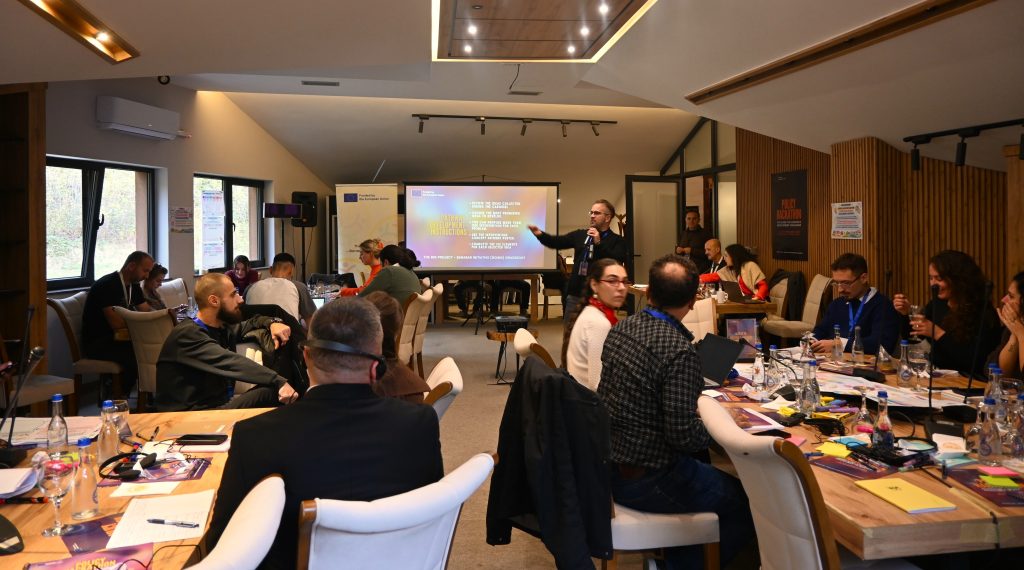
From 4 to 6 November 2026, NGO Integra and NGO CASA organised the Policy Hackathon: Tackling the Audience Development Challenges, bringing together grassroots organisations, artists, cultural practitioners, civil society representatives, and institutional stakeholders from across Kosovo for three days of discussions, collaboration, and collective problem-solving.
The Hackathon provided a collaborative space to explore how cultural policies, institutions, and initiatives can better support diverse cultural creation while enabling broader, more inclusive, and meaningful participation in cultural life.
The discussions approached audience development as a long-term, two-way process that goes beyond increasing attendance at cultural events. It begins with understanding existing and potential audiences, recognising their different interests, needs, and experiences, and identifying the barriers that prevent them from participating in cultural life. Addressing these barriers requires building trust and sustained relationships with communities, developing relevant and accessible cultural programmes, and ensuring that diverse audiences and cultural actors have opportunities to participate not only in cultural activities but also in shaping cultural policies and institutional priorities.
- Cultural Policy, Creation and Programming: Exploring how cultural policies and institutional practices can better support diverse cultural creation, emerging artists, independent initiatives, and innovative cultural programming. Discussions also addressed the importance of inclusive policymaking, institutional support mechanisms, and opportunities for diverse cultural actors to contribute to shaping cultural priorities.
- Access to Culture and Inclusive Participation: Identifying the institutional, geographical, economic, linguistic, and social barriers that limit access to cultural life, and exploring ways to make cultural activities and spaces more accessible. The group focused on meaningful participation, reaching underserved audiences, and developing cultural programmes that respond to the different interests, needs, and experiences of diverse communities.
- Art and Culture for Intercommunity Dialogue and Social Cohesion: Examining the potential of art and cultural initiatives to bring communities together, encourage intercultural exchange, challenge stereotypes, and strengthen mutual understanding and trust. Discussions explored how cultural cooperation and shared creative experiences can contribute to more inclusive relationships and stronger social cohesion.
Gender equality, youth participation, the inclusion of non-majority communities, and accessibility were considered cross-cutting priorities throughout all three thematic tracks.
The Hackathon followed a participatory and solution-oriented methodology, guiding participants from understanding the existing context and identifying challenges to developing practical interventions and policy recommendations. Through expert inputs, thematic group discussions, interactive exercises, and collaborative working sessions, participants examined existing practices, identified institutional and structural gaps, and explored opportunities for change.
On the final day, the three thematic groups presented their key findings and recommendations. Participants collectively reviewed and prioritised the proposed measures, discussed institutional responsibilities and potential partnerships, and identified possible pathways for their implementation.
From discussions to policy recommendations
The ideas and recommendations developed during the Hackathon will directly inform the preparation of the Guidelines on Audience Development for Cultural Initiatives and Institutions. The Guidelines aim to provide practical direction for cultural institutions, policymakers, and independent cultural actors in developing more inclusive approaches to cultural creation, programming, and participation.
By bringing together perspectives from different communities and sectors, the Hackathon contributed to a shared understanding that meaningful audience development requires more than reaching new audiences. It also means creating the conditions for diverse communities to influence cultural programming, participate in decision-making, and see their experiences and interests reflected in cultural life.
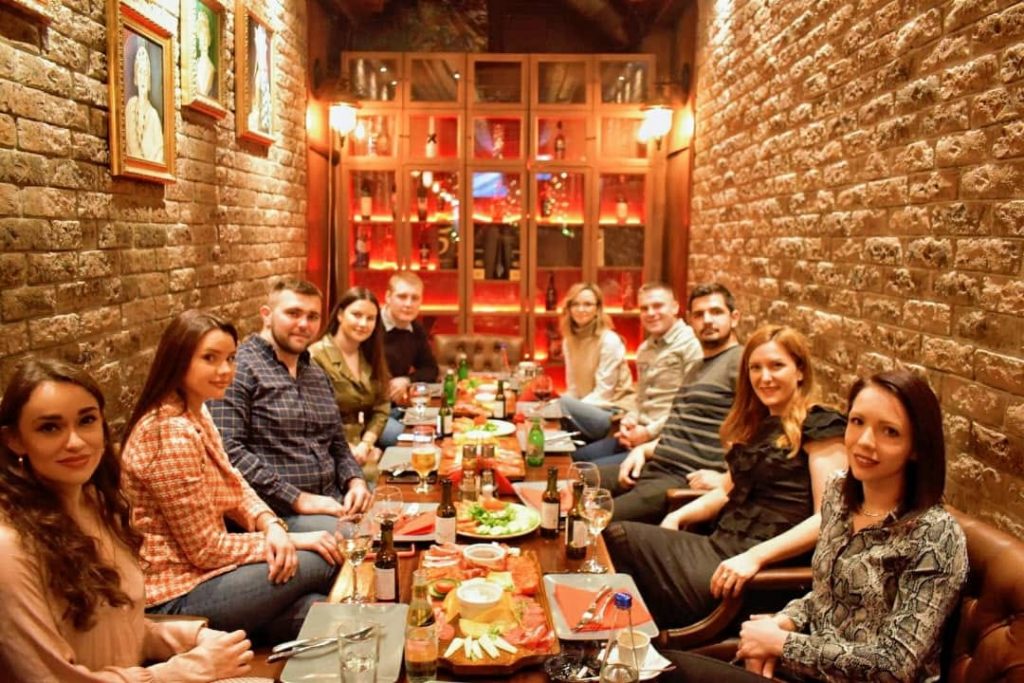
NGO Integra and NGO CASA would like to thank all participants, experts, and institutional representatives for their valuable contributions, openness, and commitment throughout these three days.
The Policy Hackathon was organised within The BIG Project – Barabar Initiative (Going) Grassroots, implemented by NGO Integra and NGO CASA and funded by the European Union. The Policy Hackathon activity was also co-funded by the Embassy of Switzerland in Kosovo.